
Projects
ORCA-Exoplanets
SASE: Nikita Kosogorov (Division of Mathematics, Physics and Astronomy), SASE GRA Fellow
Magnetic fields are a key ingredient for making planets habitable: They help shield atmospheres from stellar winds and high-energy radiation. In our own solar system, magnetized planets like Earth and Jupiter produce intense bursts of low-frequency radio waves when their magnetic fields interact with the solar wind. My project uses the Owens Valley Radio Observatory Long Wavelength Array (OVRO-LWA), a wide-field radio telescope east of the Sierra Nevada Mountains in California (Figure 1), to look for similar radio aurorae from giant exoplanets orbiting nearby stars. A detection would give us the first direct measurements of exoplanet magnetic fields and a new way to probe their interiors and space weather environments.
The Owens Valley Radio Observatory Long Wavelength Array (OVRO-LWA) in California
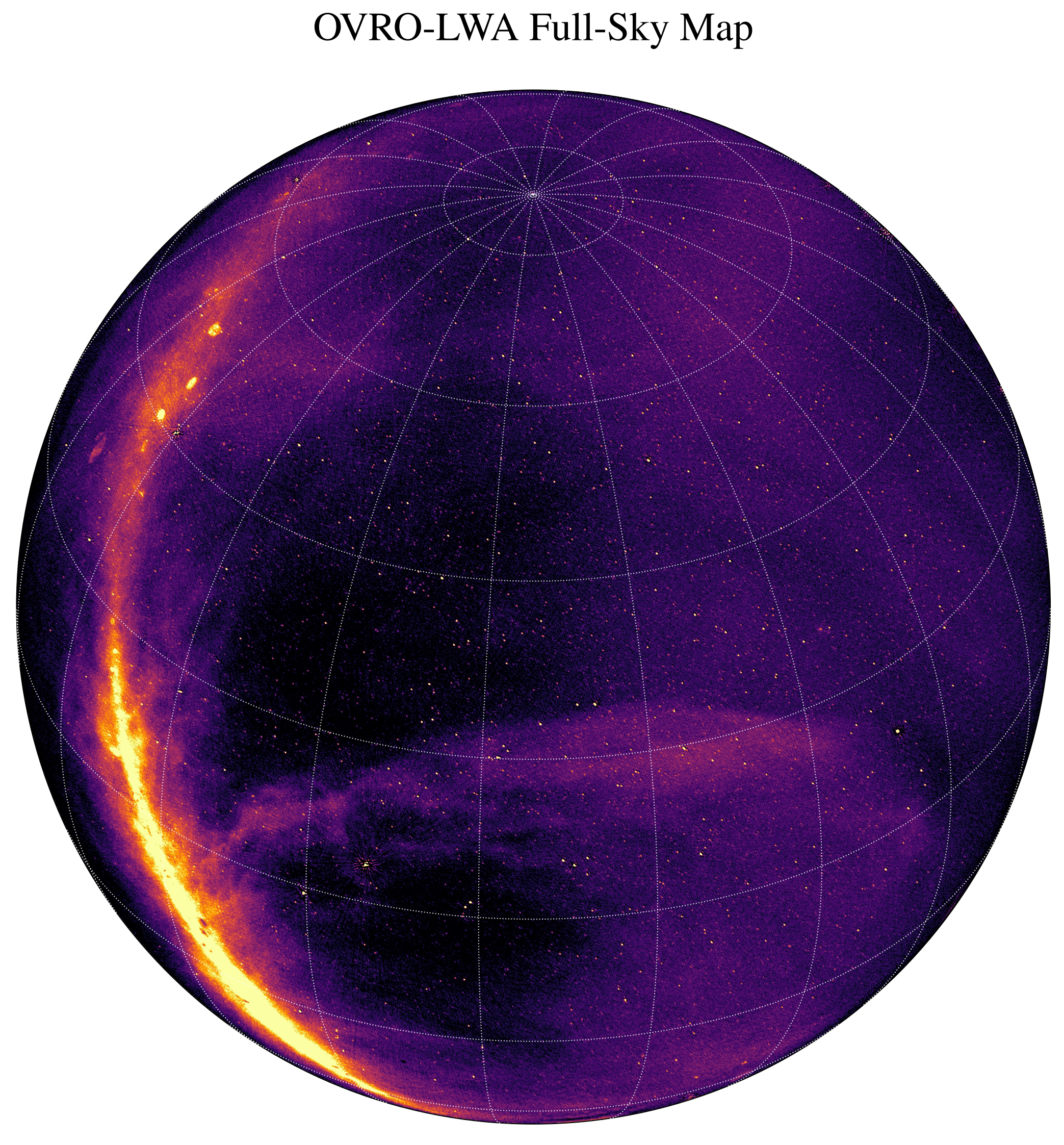
However, the OVRO-LWA generates roughly 100 terabytes of data every day (Figure 2). The engineering challenge is to build software smart enough to handle this scale while filtering out the noise of our own planet, such as radio interference and distortions from Earth’s ionosphere. During my time with the Schmidt Academy, I will develop a specialized software pipeline designed to automate this search. My goal is to transform our current research code into a robust, production-quality system that can process thousands of hours of data efficiently, paving the way for the broader astronomical community to explore the low-frequency radio universe.
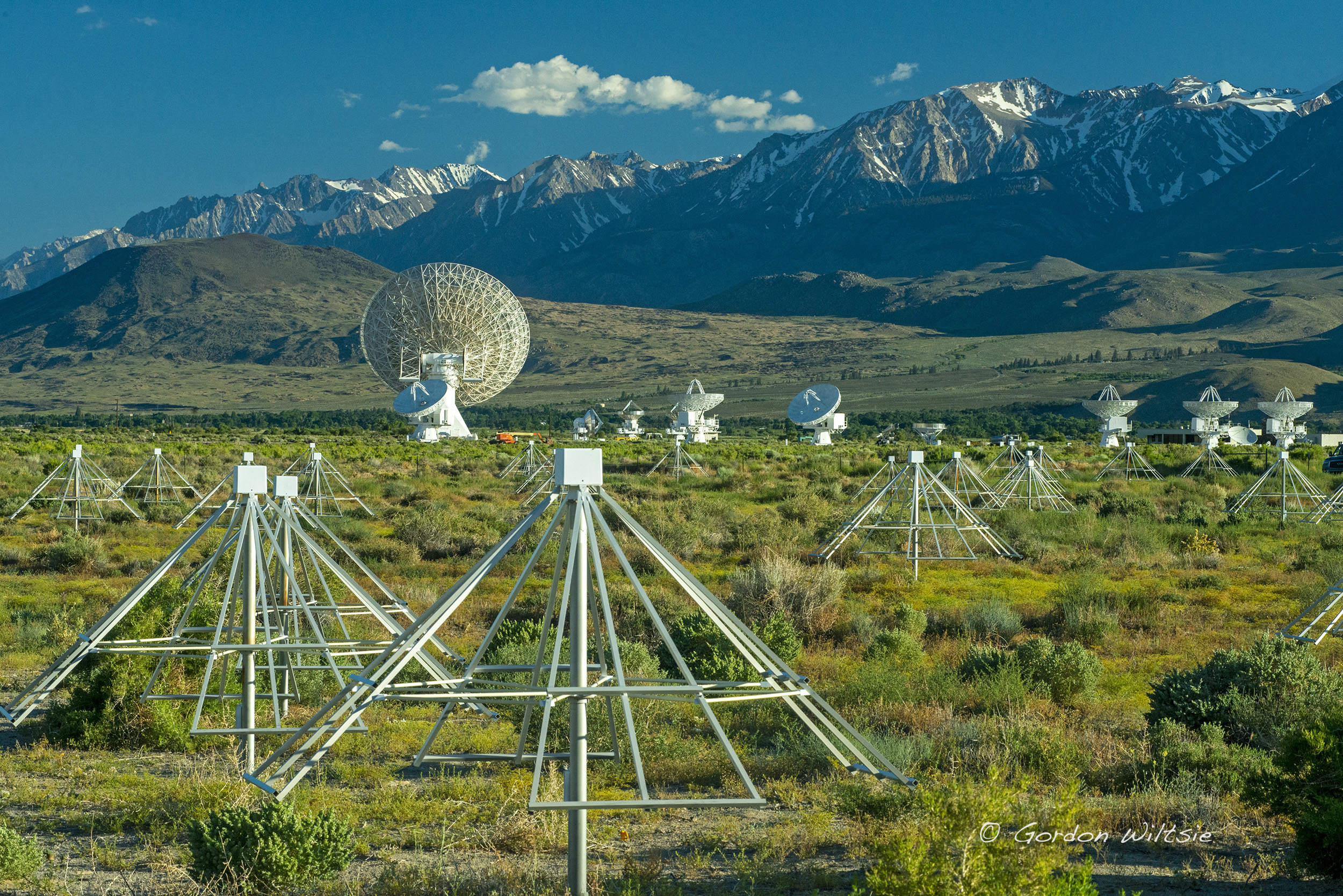
The Owens Valley Radio Observatory Long Wavelength Array (OVRO-LWA) in California